
Salt Museum: Uncover the Story of Sea Salt in Fuerteventura
July 28, 2025

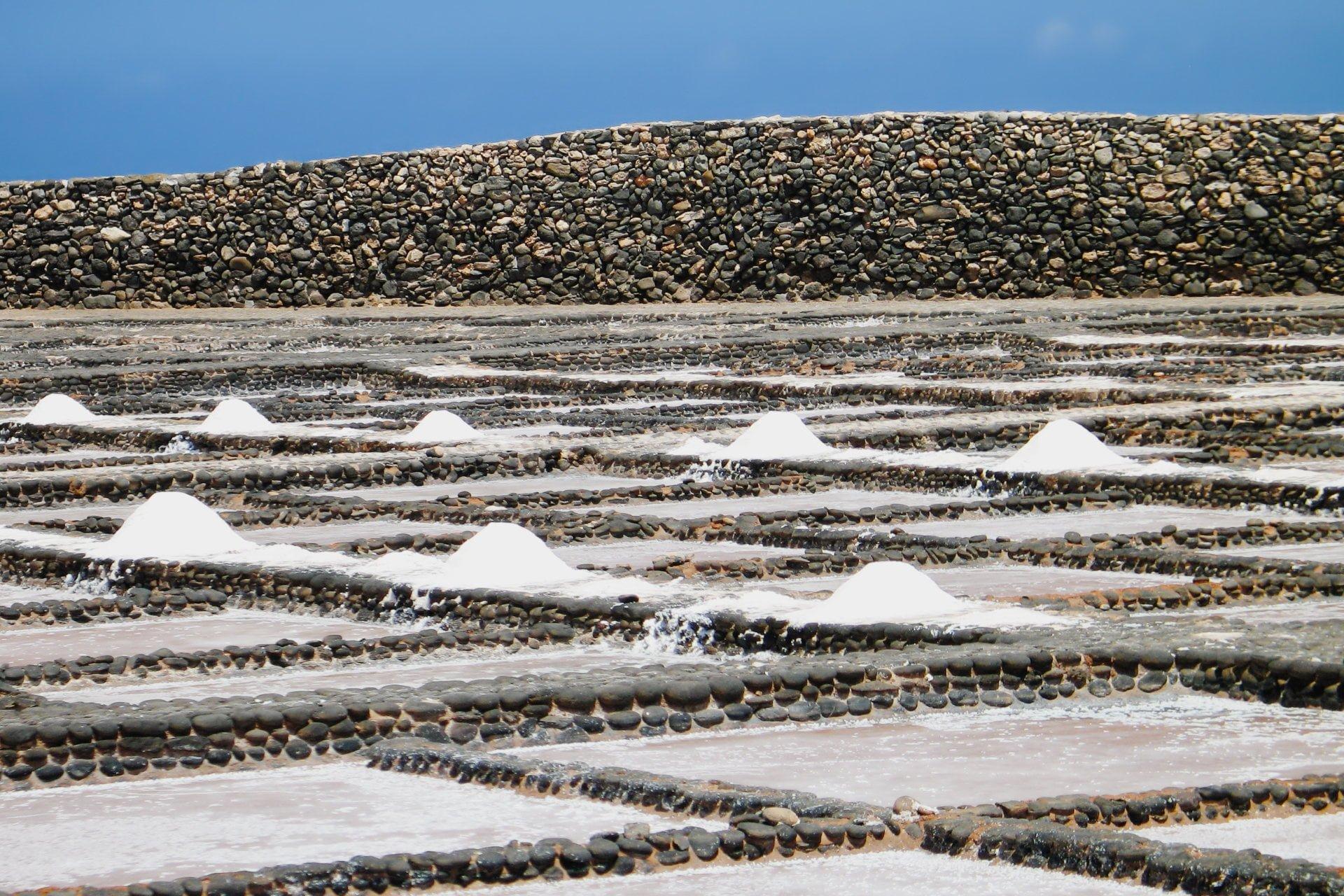
I spent two hours exploring the Salt Museum, fascinated by the interactive displays and the ability to watch real salt production right outside the museum windows. The museum's location next to working salt pans made the entire experience feel authentic and immediate, giving me a genuine understanding of Fuerteventura's maritime heritage.
Where ocean meets tradition, the Salt Museum reveals Fuerteventura's hidden maritime story through living salt production. Step into a world where centuries-old techniques blend seamlessly with modern industrial processes, right on the edge of the Atlantic.
Need-to-Know Info Before Visiting Salt Museum



5+
images
Salt Museum Address
Caleta de Fuste, Fuerteventura, Canary Islands, Spain
Salt Museum Opening Hours
- 🕒 Tuesday-Sunday: 10:00 AM - 6:00 PM
- 🕒 Closed on Mondays
- 🕒 Holiday hours may vary
How to get to Salt Museum
- 🚗 By car: Located south of Caleta de Fuste, easy parking available
- 🚌 Public transport: Local bus routes from Caleta de Fuste town center
- 🚕 Rideshare: Taxi and local transport services accessible
What is Salt Museum known for?
- Showcases comprehensive audiovisual displays about sea salt extraction techniques
- Located next to active salt pans with direct ocean views
- Offers detailed ethnographic insights into salt production history
- Interactive exhibits demonstrating traditional and modern salt harvesting methods
- Provides visitors a unique understanding of Canary Islands' maritime cultural heritage
What is Salt Museum in Caleta De Fuste?
The Salt Museum sits just south of Caleta de Fuste, offering travelers a deep dive into the world of sea salt production in Fuerteventura. Located right next to active salt pans with stunning ocean views, this museum transforms what could be a dry topic into an engaging experience through cutting-edge audiovisual displays. Tourists interested in local industry and maritime culture find this spot particularly fascinating, as it breaks down the complex process of salt extraction into easy-to-understand exhibits. Visitors can explore the museum's strategic location, which allows direct views of ongoing salt production and provides context about how this crucial mineral has shaped the economic landscape of the Canary Islands. The museum attracts both history buffs and casual travelers looking to understand the region's traditional industries, making it a unique stop for those wanting to go beyond typical tourist experiences. Positioned perfectly between educational content and real-world demonstration, the Salt Museum offers an authentic glimpse into a critical part of Fuerteventura's economic heritage.
Top things to do at Salt Museum
- Watch immersive audiovisual displays explaining salt extraction techniques from traditional and modern perspectives
- Explore the adjacent operational salt pans and observe real-time sea salt production processes
- Take photographs of the museum's oceanfront location showcasing the connection between maritime landscape and salt production
- Learn about the ethnographic history of salt cultivation through interactive museum exhibits
- Walk through the museum's outdoor areas to understand the geographical context of salt harvesting in Fuerteventura
- Participate in guided tours that demonstrate the intricate methods of sea salt extraction from ocean to production
Tickets
Entry to the Salt Museum is affordable, with tickets typically priced between 5-8 euros. Visitors can purchase tickets directly at the museum entrance or online through the official Fuerteventura tourism website. Student and senior discounts are available. Group rates are offered for parties of 10 or more.
Best Time to Visit
The Salt Museum is most comfortable to visit during the spring and autumn months (April-May and September-October) when Fuerteventura's temperatures are mild. Summer months can be extremely hot, making outdoor exploration of the salt pans challenging. Winter offers cooler temperatures but can occasionally have windy conditions that might impact the visitor experience.
History of Salt Museum
- Pre-20th Century: Salt extraction was a crucial economic activity for Fuerteventura's coastal communities
- Mid-20th Century: Traditional salt production methods begin to decline with industrial technologies
- Late 20th Century: Local authorities recognize the cultural importance of preserving salt production heritage
- Early 2000s: Conversion of old saltworks into an educational museum to document local salt extraction techniques
- 2010: Official establishment of the Salt Museum to showcase ethnographic and industrial salt production history
Cultural Significance
Salt production represents a fundamental part of Fuerteventura's economic and cultural identity. The museum preserves the traditional knowledge of sea salt extraction, highlighting how this mineral shaped local communities' economic survival. By documenting these processes, the museum connects current generations with their maritime and agricultural heritage.
Tips for Visitors
- Wear comfortable walking shoes for exploring outdoor salt pans
- Bring water and sun protection, as the museum area is exposed
- Allow approximately 1-2 hours for a comprehensive museum experience
- Photography is permitted in most exhibition areas
- English audio guides are available for international visitors
- Combine museum visit with nearby beach or town exploration
What are some interesting facts about Salt Museum?
- The museum sits on salt pans that have been in continuous production for over 200 years, making it a living testament to traditional salt harvesting methods
- Local salt workers still use techniques passed down through multiple generations, some of which date back to pre-industrial maritime traditions
- The museum's location allows visitors to simultaneously observe historical salt extraction methods and modern industrial production, creating a unique educational experience